

AREAS OF EXPERTISE
As I have discussed earlier, my education (PhD) in protein chemistry, further studies in Research and Development of pharmaceutical Sciences and Technologies.
Extensive work experience in multinational pharmaceutical industry, chemistry, life sciences and microbiology labs.
Quality Control, proficiency in chromatography, spectroscopy and wet chemistry techniques, performed and supervised, identification, potency, content uniformity, impurity tests for various dosage form, sound knowledge of cGMP, GLP, WHMIS, SUPAC, FDA and all regulatory guidelines Lab Equipment operated and maintained laboratories equipment including HPLC, FTIR, Dissolution apparatus, UV/VIS Spectrophotometer, and all other lab instruments.
Quality Assurance, Root Cause Analysis, Quality Risk Management, Policies / Frameworks / Procedures, Documentation, Technical Writing, Product development, Product Launches, Leadership, Training, and Supervision
Research and Development, literature studies to evaluate physio-chemical properties and pharmacokinetics information of active drug materials (API) and drug products
Formulation and R & D Manufacturing, formulated, manufactured and analyzed immediate and controlled release tablets, worked for new methods development and validation.
Bio-availability and Bio-equivalence studies, performed BA and BE for all R & D formulated and manufactured lots. Performed dissolution tests for new products, comparison of dissolution profile of Innovator’s and generic tablets.
Computer expertise, command of automated data acquisition systems and other laboratory software, Microsoft software, (business professional) and designing software.
Protein Research and Publications, comprehensive Research studies and experience in protein and medicinal chemistry. Complex structure elucidation of many functional proteins, especially blood protein, (haemoglobin)
Higher Education in Blood Chemistry:
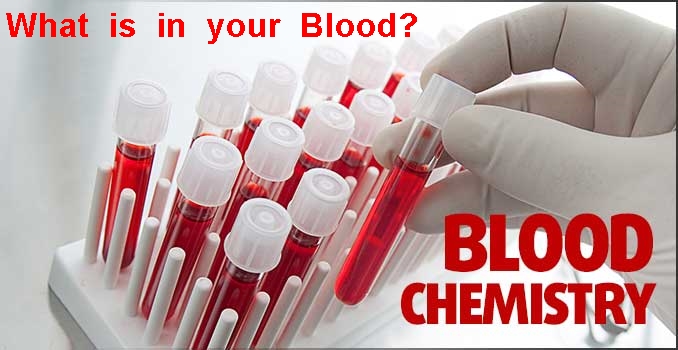
Higher education plays a fundamental role in advancing the field of blood chemistry, which is essential for diagnosing, monitoring, and treating numerous health conditions.
Blood chemistry includes the study of various substances in the blood, including enzymes, lipids, proteins, and electrolytes. Higher education trains individuals with the in-depth knowledge and technical skills necessary to understand complex biochemical processes and their implications for human health.
Through rigorous coursework, projects, assignments and laboratory experiences, students learn to analyze blood samples, interpret data, and apply their findings to real-world clinical situations.
This education is vital for developing innovative diagnostic tools and treatment strategies that improve patient outcomes. Furthermore, higher education nurtures critical thinking, enabling professionals to stay well-informed of the latest research and advancements in the field.
By pursuing advanced degrees, individuals can contribute to groundbreaking research, influence public health policies, and educate future generations of scientists and healthcare providers.
Overall, higher education not only enhances individual expertise but also drives progress and innovation in blood chemistry, ultimately benefiting society as a whole by improving healthcare quality and accessibility.

 Dr. Alia H Nawaz